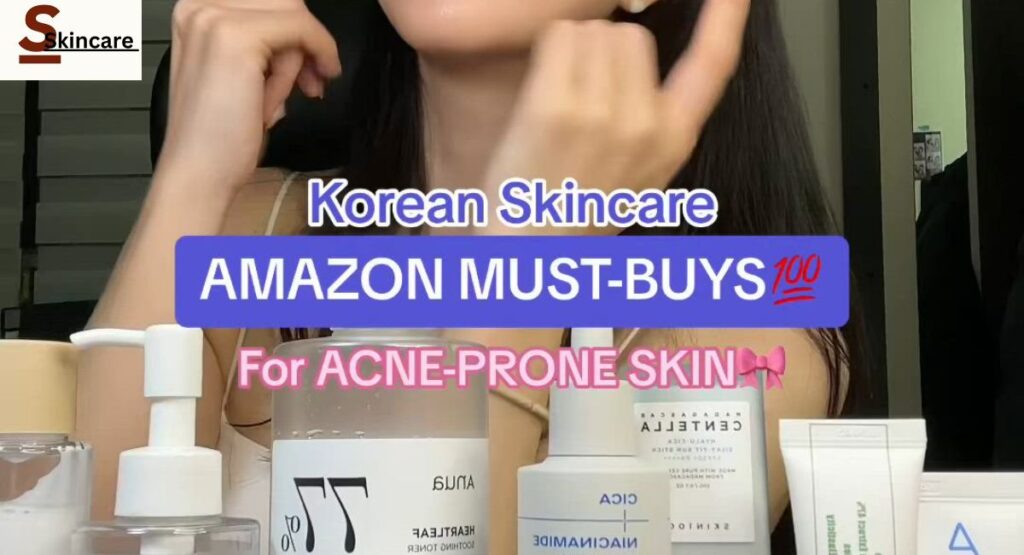
Struggling with constant breakouts can feel frustrating, especially when every new product promises flawless skin but delivers little improvement. The best Korean skincare product for acne takes a different approach by focusing on gentle care, long-term skin health, and a balanced routine instead of harsh treatments. Korean formulas combine soothing botanical extracts, advanced hydration, and science-backed ingredients to calm inflammation while protecting your skin barrier. Whether you have oily, dry, combination, or sensitive skin, choosing the right Korean skincare routine for acne, Korean acne products, Korean cleanser for acne, and Korean moisturizer for acne can reduce blemishes, fade post-acne marks, and help you achieve clearer, healthier-looking skin with consistent daily care.
Why Korean Skincare Works for Acne-Prone Skin
Many acne treatments promise fast results but leave your skin dry, irritated, and uncomfortable. Korean skincare takes a different approach by treating the underlying causes of acne while protecting the skin barrier. Instead of relying on aggressive formulas, it combines gentle cleansing, hydration, and carefully selected active ingredients that support healthier skin over time.
Another reason best Korean skincare for acne has become so popular is its emphasis on prevention rather than correction. Healthy skin naturally defends itself against irritation, bacteria, and environmental stress. By improving skin barrier repair, reducing inflammation, and maintaining moisture, Korean routines help prevent future breakouts instead of simply treating existing ones.
What Makes Korean Skincare Different?
Traditional acne products often focus on removing every trace of oil. However, this strategy can trigger even more sebum production, causing your skin to compensate by producing additional oil. Korean routines instead balance hydration, allowing your complexion to regulate itself naturally while reducing unnecessary irritation.
Most Korean acne products also contain multiple soothing ingredients rather than relying on one powerful active ingredient. For example, a cleanser may include botanical extracts, humectants, and calming agents alongside acne-fighting ingredients. This layered approach helps improve skin health without compromising comfort.
The Science Behind Korean Acne Care
Healthy skin depends on a strong protective layer known as the moisture barrier. When this barrier becomes damaged, your skin loses water more quickly, becomes more sensitive, and often develops additional breakouts. Supporting the barrier allows the skin to heal more efficiently while reducing redness and discomfort.
Research published by the American Academy of Dermatology consistently highlights that maintaining skin hydration improves tolerance to acne medications. As a result, Korean skincare products frequently combine effective acne treatment ingredients with moisturizers that minimize irritation, making them suitable for long-term use.
| Traditional Acne Care | Korean Skincare Approach |
| Removes excess oil aggressively | Balances oil and hydration |
| Focuses mainly on active treatments | Supports overall skin health |
| Often dries the skin | Maintains hydration |
| Short-term correction | Long-term prevention |
| Limited product layering | Gentle multi-step routine |
Identify Your Skin Type Before Treating Acne
Choosing expensive skincare products without understanding your skin usually leads to disappointment. Every skin type responds differently to ingredients, which explains why a product that works perfectly for one person may worsen someone else’s breakouts. Identifying your skin type is the first step toward building a routine that delivers consistent, visible improvements.
Acne develops for different reasons depending on your complexion. Some people produce excessive oil, while others experience breakouts because their skin becomes dehydrated or irritated. Matching products to your unique needs reduces unnecessary trial and error and creates a routine your skin can actually benefit from.
Oily Skin
People with oily skin often notice shine within a few hours after washing their face. Excess oil increases the likelihood of clogged pores, making pimples, congestion, and enlarged pores more common. Choosing the best cleanser for oily acne skin helps remove impurities without triggering additional oil production.
Although oily skin naturally contains more sebum, it still requires moisture. Skipping moisturizer frequently causes the skin to overcompensate by producing even more oil. A lightweight, non-comedogenic moisturizer keeps the skin balanced while reducing the greasy feeling many people dislike.
Dry Skin
Many people assume dry skin cannot develop acne, but that isn’t true. Dry skin often experiences tightness, flaking, and irritation while still producing pimples. In many cases, damaged skin allows bacteria and environmental irritants to penetrate more easily, increasing inflammation.
Using a cleanser for sensitive acne skin together with a rich barrier repair cream helps restore moisture while reducing discomfort. Instead of aggressive exfoliation, focus on nourishing ingredients that strengthen the skin’s natural protective layer and improve long-term resilience.
Combination Skin
Combination skin presents a unique challenge because different areas of the face behave differently. The forehead, nose, and chin may produce excess oil, while the cheeks remain dry or normal. This imbalance requires products that control shine without causing dehydration elsewhere.
People searching for skincare for combination skin acne often benefit from lightweight formulas that hydrate evenly without clogging pores. Applying heavier creams only where needed and lighter products on oily areas creates better balance while reducing unnecessary product buildup.
Sensitive Skin
Individuals with sensitive skin frequently experience burning, itching, or visible irritation after introducing new products. Fragrance, alcohol, and overly strong acids often worsen these reactions. Choosing skincare for sensitive skin with acne means prioritizing gentle formulations before introducing stronger acne treatments.
Many dermatologists recommend fragrance-free, calming ingredients for sensitive complexions. Products containing centella asiatica, panthenol, ceramides, and soothing botanical extracts help reduce inflammation while allowing acne to heal naturally without compromising skin comfort.
Quick Skin Type Comparison
| Skin Type | Common Acne Concern | Recommended Product Focus |
| Oily | Excess oil and blackheads | Oil control, lightweight hydration |
| Dry | Tightness and irritation | Barrier repair and hydration |
| Combination | Oily T-zone with dry cheeks | Balanced lightweight products |
| Sensitive | Redness and irritation | Gentle, calming formulations |
Expert Tip
Before purchasing a complete routine, introduce one product at a time. Dermatologists often recommend testing each new product for one to two weeks before adding another. This simple habit makes it much easier to identify which products genuinely improve your skin and which ones may trigger irritation.
Best Korean Skincare Products for Acne by Skin Type
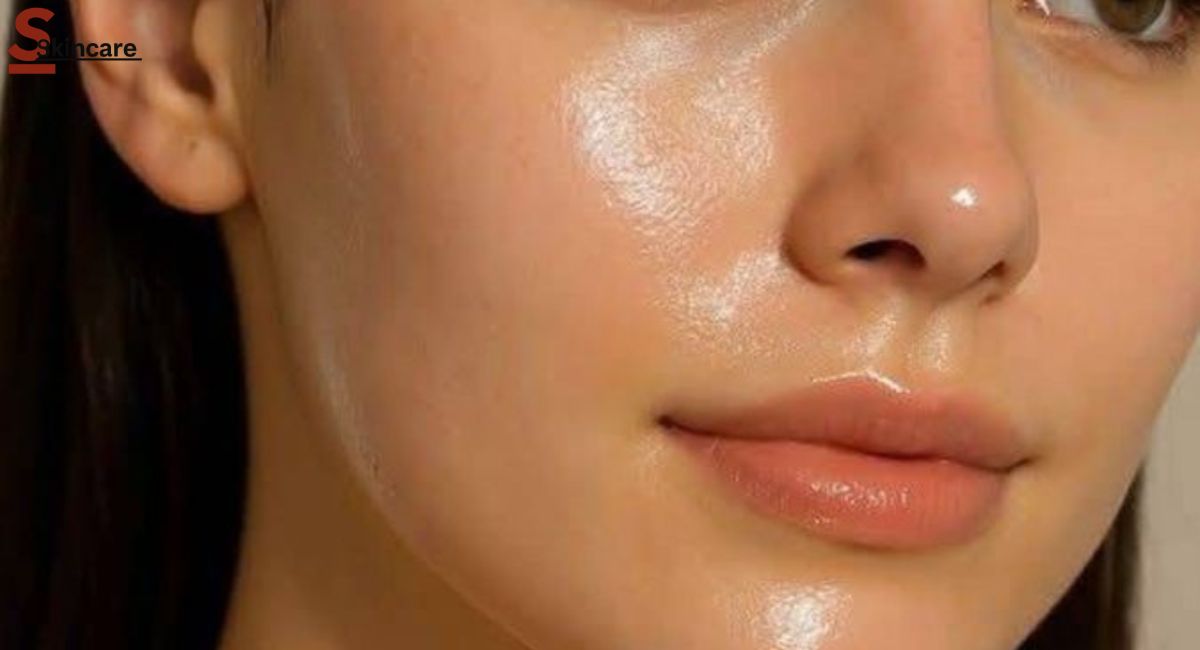
Choosing skincare without considering your skin’s unique needs often leads to disappointing results. Even the Best Korean Skincare Products for Acne perform differently depending on your complexion. Matching products to your skin type helps control breakouts, strengthens your healthy skin barrier, and reduces irritation, making every step of your routine more effective.
Korean skincare is known for combining gentle formulations with powerful ingredients that work together rather than against your skin. Instead of using harsh treatments, many Korean skincare brands focus on balancing oil, restoring hydration, and calming inflammation. This personalized approach allows you to build a routine that supports healthier, clearer skin over time.
Best Korean Cleansers for Acne
A cleanser lays the foundation for every successful acne routine. If dirt, sunscreen, and excess oil remain on your face, treatment products cannot perform at their best. Choosing the right Korean cleanser for acne helps remove impurities while protecting your skin from unnecessary dryness or irritation.
People with oily complexions usually benefit from a salicylic acid cleanser or BHA cleanser, which dissolve excess oil inside pores. Those with dry or reactive skin often achieve better results using a gentle cleanser with hydrating ingredients that cleanse effectively without disrupting the skin barrier.
| Skin Type | Recommended Cleanser | Why It Works |
| Oily Skin | Low-pH Foam Cleanser | Controls oil and minimizes pores |
| Dry Skin | Hydrating Cream Cleanser | Prevents moisture loss |
| Combination Skin | Gel Cleanser | Balances oily and dry areas |
| Sensitive Skin | Fragrance-Free Cleanser | Reduces irritation |
Best Korean Toners
Modern Korean toners do much more than refresh the skin. They replenish moisture immediately after cleansing while preparing your skin to absorb the products that follow. Unlike traditional alcohol-based toners, today’s formulas emphasize soothing hydration and barrier support.
If your skin feels tight after washing, a hydrating toner containing botanical extracts can make a noticeable difference. Meanwhile, individuals with oily skin may benefit from gentle exfoliating toners that improve texture without over-drying the complexion.
Best Korean Serums
Serums deliver concentrated ingredients that target specific concerns. A quality Korean serum for acne often combines calming botanicals with scientifically proven actives that reduce breakouts while improving skin texture and tone. Their lightweight consistency also allows easy layering within your skincare routine.
For example, a niacinamide serum helps regulate oil production while minimizing post-acne discoloration. Meanwhile, a hyaluronic acid serum restores hydration without clogging pores, making it suitable even for oily or acne-prone skin experiencing dehydration.
Best Korean Moisturizers
Many people mistakenly avoid moisturizer because they believe it causes breakouts. In reality, skipping moisturizer often worsens acne by forcing the skin to compensate with increased oil production. Selecting the right Korean moisturizer for acne keeps your complexion balanced while supporting long-term skin health.
Individuals with oily skin usually prefer a lightweight moisturizer, while those with dry skin often benefit from a richer skin barrier moisturizer. If your skin feels irritated after acne treatments, choosing a soothing moisturizer can reduce redness and improve overall comfort.
Best Korean Sunscreens
Daily sun protection remains one of the most overlooked steps in acne care. Sun exposure not only increases pigmentation after breakouts but also slows skin healing. Using a Korean sunscreen for acne protects healing skin while preventing dark marks from becoming more noticeable.
Most Korean sunscreens feature lightweight textures that absorb quickly without leaving a greasy finish. Their elegant formulas make daily sunscreen use easier, even for people who previously disliked wearing SPF.
Product Recommendations by Skin Type
| Skin Type | Cleanser | Serum | Moisturizer | Sunscreen |
| Oily | Foam Cleanser | Niacinamide | Gel Cream | Lightweight SPF 50 |
| Dry | Cream Cleanser | Hyaluronic Acid | Barrier Cream | Hydrating SPF |
| Combination | Gel Cleanser | Balancing Serum | Lightweight Lotion | Gel Sunscreen |
| Sensitive | Fragrance-Free Cleanser | Centella Serum | Ceramide Cream | Mineral SPF |
Expert Recommendation
Dermatologists frequently suggest introducing only one new skincare product every one to two weeks. This gradual approach allows you to identify which products genuinely improve your skin while minimizing the risk of irritation or unexpected breakouts.
Powerful Korean Ingredients That Fight Acne
Many successful Korean skincare routines rely less on harsh medications and more on carefully selected ingredients that work together. Rather than simply drying pimples, these ingredients target excess oil, inflammation, hydration, and skin repair simultaneously. This balanced strategy often delivers healthier, longer-lasting improvements.
Understanding ingredient labels also helps you avoid wasting money on products that don’t address your concerns. Once you know which ingredients benefit your skin type, choosing effective skincare becomes much easier regardless of the brand or product category.
Salicylic Acid (BHA)
One of the most trusted acne-fighting ingredients, salicylic acid penetrates deep inside pores where oil and dead skin cells accumulate. This gentle exfoliant loosens congestion, helping reduce blackheads, whiteheads, and future breakouts without excessive scrubbing.
People with oily or combination skin often experience the greatest improvements because salicylic acid removes excess oil while supporting clearer pores. Regular use may gradually improve overall skin texture and reduce recurring congestion.
Niacinamide
Niacinamide has become one of the most versatile ingredients in modern skincare. Besides regulating oil production, it helps brighten post-acne marks, reduce visible redness, and strengthen the skin’s protective barrier. These multiple benefits explain why it appears in many Korean serums and moisturizers.
Unlike stronger acids, niacinamide generally suits most skin types, including sensitive complexions. It layers well with hydrating ingredients and can comfortably fit into both morning and evening routines.
Centella Asiatica (Cica)
Known throughout Korean skincare, cica cream containing centella asiatica helps calm irritated skin while supporting faster recovery after breakouts. Rich in soothing plant compounds, this ingredient reduces discomfort without feeling heavy or greasy.
Many people notice less visible redness after introducing Centella into their routine. Because it focuses on healing rather than exfoliation, it pairs exceptionally well with stronger acne treatments that may otherwise cause irritation.
Hydrating & Barrier-Supporting Ingredients
Acne treatments often dry the skin, making hydration essential. Ingredients such as ceramide cream, snail mucin, and probiotics skincare help replenish moisture while reinforcing the skin barrier. Stronger skin naturally tolerates active ingredients more effectively.
Similarly, botanical ingredients like heartleaf extract, tea tree extract, and mugwort cream provide soothing support for irritated skin. They work particularly well for individuals seeking calming, non-irritating skincare that helps reduce redness while maintaining hydration.
Ingredients Worth Comparing
| Ingredient | Primary Benefit | Best For |
| Salicylic Acid | Deep pore cleansing | Oily skin |
| Niacinamide | Oil control & brightening | All skin types |
| Hyaluronic Acid | Hydration | Dry skin |
| Ceramides | Barrier repair | Sensitive skin |
| Centella Asiatica | Soothing inflammation | Irritated skin |
| Tea Tree | Spot treatment | Mild acne |
| Heartleaf | Redness reduction | Sensitive skin |
| Mugwort | Calming irritation | Reactive skin |
Ingredients to Avoid
Not every ingredient supports acne recovery. Highly fragranced products, harsh alcohols, aggressive physical scrubs, and overly rich oils may worsen breakouts for some individuals. Choosing acne-safe skincare with gentle formulations usually produces more consistent results than relying on harsh products promising overnight improvements.
Build the Perfect Korean Skincare Routine for Acne
A successful acne routine is not about using the most expensive products. Instead, it depends on consistency, proper layering, and choosing products that match your skin’s needs. A well-planned Korean skincare routine for acne helps reduce breakouts while protecting your healthy skin barrier, allowing your skin to recover naturally without becoming dry or irritated.
Many people expect immediate improvements after purchasing new products. However, healthy skin takes time to heal. Following a structured daily skincare routine morning and night gives active ingredients enough time to work while minimizing irritation caused by frequent product changes or overuse.
Morning Routine
Your morning routine should prepare your skin for the day while protecting it from environmental damage. Begin with a gentle facial cleanser, followed by a hydrating toner and a lightweight treatment serum. Apply a moisturizer that matches your skin type before finishing with a broad-spectrum sunscreen to guard against harmful UV rays.
If your skin produces excess oil during the day, avoid harsh cleansers that leave your face feeling tight. Instead, focus on hydration for oily skin using lightweight formulas that balance moisture without clogging pores. This approach helps reduce shine while supporting healthier-looking skin throughout the day.
Evening Routine
Nighttime is when your skin naturally repairs itself, making it the ideal time to use treatment products. Start with the double cleansing method, using a cleansing oil or oil cleanser to dissolve sunscreen and makeup before following with a water-based cleanser or foam cleanser to remove remaining impurities.
After cleansing, apply treatment products according to your skin’s needs. Ingredients like azelaic acid, niacinamide serum, or hydrating products can be layered before finishing with a nourishing moisturizer. This evening acne care routine supports overnight recovery while helping reduce inflammation and future breakouts.
Weekly Routine
Not every skincare product needs daily use. Exfoliating treatments work best when used one or two times each week, allowing the skin enough time to recover between sessions. Gentle chemical exfoliation removes dead skin cells without causing the irritation often associated with physical scrubs.
Adding a hydrating sheet mask or sleeping pack once a week also helps restore moisture after active treatments. These recovery days improve skin comfort and reduce the likelihood of excessive dryness, especially if your routine includes exfoliating acids or acne medications.
Correct Product Layering Order
Applying skincare in the correct order allows every product to perform effectively. Lightweight formulas should always be applied before thicker creams to improve absorption and prevent unnecessary product buildup.
Recommended Korean Skincare Order
| Step | Product |
| 1 | Oil Cleanser |
| 2 | Water-Based Cleanser |
| 3 | Toner |
| 4 | Essence (Optional) |
| 5 | Serum |
| 6 | Moisturizer |
| 7 | Sunscreen (Morning Only) |
Following this sequence keeps your routine organized while ensuring each product reaches the skin properly.
Lifestyle Habits That Support Clear Skin
Skincare products work best when paired with healthy daily habits. Poor sleep, chronic stress, and inconsistent hygiene can all contribute to persistent breakouts despite using high-quality products. Small lifestyle improvements often produce noticeable benefits over time.
Changing pillowcases regularly, avoiding unnecessary face touching, staying hydrated, and eating a balanced diet rich in fruits and vegetables all support healthier skin. While diet alone rarely causes acne, these habits complement your skincare routine and improve overall skin health.
Common Acne Mistakes That Prevent Clear Skin
Even premium skincare products cannot deliver their full benefits if they are used incorrectly. Many people unintentionally slow their progress by over-cleansing, introducing too many active ingredients at once, or expecting dramatic improvements within a few days. Patience remains one of the most valuable parts of successful acne treatment.
Building healthier skin requires consistency rather than perfection. Small mistakes repeated every day often have a greater impact than occasionally missing a skincare step. Understanding these common habits allows you to avoid setbacks and achieve clearer skin more efficiently.
Skipping Moisturizer
One of the biggest misconceptions in acne care is believing oily skin does not need moisturizer. In reality, dehydrated skin often increases oil production to compensate for lost moisture, making breakouts worse instead of better.
Using a lightweight moisturizer for acne-prone skin helps maintain balance while reducing irritation caused by acne treatments. Well-hydrated skin also recovers faster and tolerates active ingredients much more comfortably.
Over-Cleansing Your Face
Washing your face several times a day may seem helpful, but excessive cleansing strips away protective oils that keep your skin healthy. As the skin becomes drier, it may respond by producing even more oil, creating an endless cycle of irritation.
Most dermatologists recommend cleansing twice daily using a gentle formula. This schedule removes dirt, sunscreen, and excess oil without damaging the skin’s natural protective barrier.
Mixing Too Many Active Ingredients
Combining several powerful ingredients in one routine often causes irritation instead of faster improvement. Using retinoids, exfoliating acids, and strong acne treatments together may overwhelm the skin, especially if introduced simultaneously.
Instead, introduce new products gradually and monitor how your skin responds. This simple strategy reduces irritation while making it easier to identify which products provide the greatest benefit.
Picking Pimples
Although it can be tempting, squeezing pimples increases inflammation and pushes bacteria deeper into the skin. This habit often extends healing time while increasing the likelihood of permanent discoloration or acne scars.
Allow blemishes to heal naturally or use targeted spot treatments when necessary. Consistent skincare usually produces better long-term results than attempting to remove pimples manually.
Ignoring Sunscreen
Many acne sufferers avoid sunscreen because they worry about clogged pores. Fortunately, modern Korean sunscreens are lightweight and specifically formulated for acne-prone skin. Daily sun protection helps prevent post-acne pigmentation from becoming darker and supports healthier healing.
Look for non-comedogenic formulas with SPF 50 that provide broad-spectrum protection without leaving a greasy finish. Wearing sunscreen every morning remains one of the most effective ways to protect long-term skin health.
Expert Tips for Better Results
Dermatologists consistently recommend introducing products slowly, patch-testing unfamiliar formulas, and following a routine for at least eight weeks before evaluating results. Skin renewal takes time, and frequent routine changes often delay visible improvements rather than accelerating them.
Meta Discription
Discover the best Korean skincare for acne with this complete guide designed for every skin type. Learn how to build an effective Korean skincare routine using gentle cleansers, hydrating moisturizers, acne-fighting serums, and lightweight sunscreens. Explore powerful ingredients like salicylic acid, niacinamide, centella asiatica, ceramides, and hyaluronic acid that help reduce breakouts, unclog pores, soothe irritation, and strengthen the skin barrier. Compare the best Korean acne products for oily, dry, combination, and sensitive skin, while avoiding common mistakes that can worsen acne. Whether you’re dealing with blackheads, hormonal acne, post-acne marks, or recurring blemishes, this expert guide provides practical tips, dermatologist-backed recommendations, and product suggestions to help you achieve clearer, healthier, and more radiant skin with confidence.
FAQs
1. What is the best Korean skincare for acne?
The best Korean skincare for acne includes gentle cleansers, hydrating moisturizers, soothing serums, and non-comedogenic sunscreens that help control breakouts while protecting the skin barrier.
2. Does Korean skincare really help with acne?
Yes. Korean skincare focuses on hydration, barrier repair, and gentle active ingredients like salicylic acid, niacinamide, and Centella Asiatica, which can help reduce acne and prevent future breakouts.
3. Which Korean skincare ingredients are best for acne-prone skin?
Some of the most effective ingredients include salicylic acid, niacinamide, Centella Asiatica (Cica), tea tree extract, heartleaf extract, ceramides, hyaluronic acid, and snail mucin.
4. Which Korean cleanser is best for acne?
A low-pH, non-comedogenic Korean cleanser containing salicylic acid or tea tree extract works well for oily skin, while a gentle hydrating cleanser is better for dry or sensitive acne-prone skin.
