
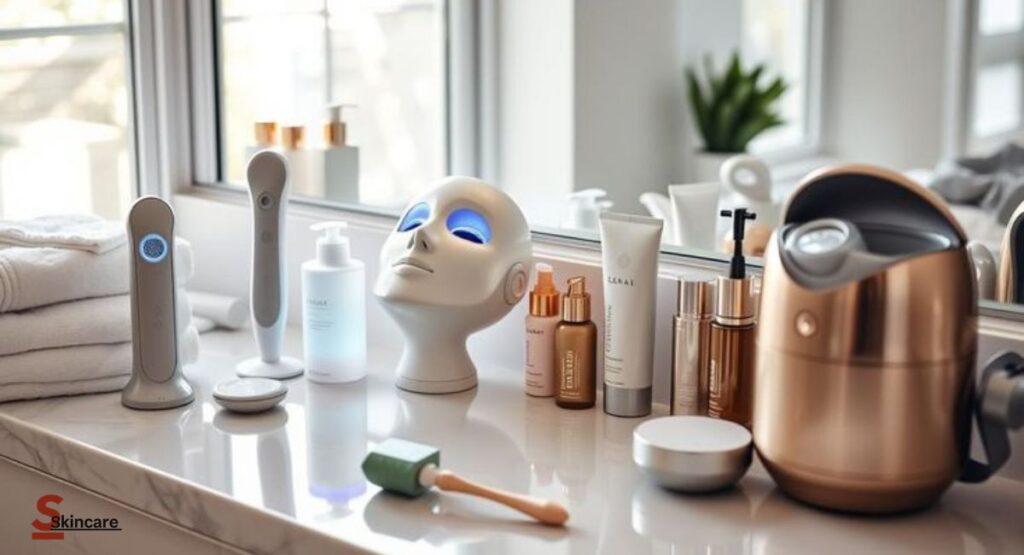
Technology has completely transformed modern skincare, making professional-quality treatments more accessible than ever. By following the right smart home devices skincare tips, you can safely use smart beauty tools to target acne, fine lines, dullness, and uneven skin tone without leaving your home. Today’s at-home beauty devices combine advanced science with convenience, helping improve your daily skincare routine through personalized treatments. From LED light therapy masks to microcurrent facial toning devices, these innovations support healthier, firmer, and more radiant skin. This guide explores how to choose the right device, use it correctly, and maximize results while avoiding common mistakes, so you can confidently invest in the future of beauty technology
What Are Smart Skincare Devices?
Smart skincare devices are electronic tools designed to improve skin health using proven scientific technologies rather than manual techniques alone. Unlike traditional beauty tools, these devices use light, electrical stimulation, heat, vibration, or artificial intelligence to target specific skin concerns. Many combine multiple functions, allowing users to perform professional-quality treatments safely at home.
Modern smart beauty tools combine advanced skincare technology with user-friendly designs that suit both beginners and experienced skincare enthusiasts. From improving product absorption to reducing visible wrinkles, these devices are becoming an important part of many daily skincare routines because they provide consistent treatments without requiring frequent salon visits.
Understanding the Technology
Today’s at-home skincare devices work by stimulating natural biological processes within the skin. Instead of covering imperfections, they encourage the skin to repair itself. Different technologies target different concerns, making it important to understand how each device works before investing in one.
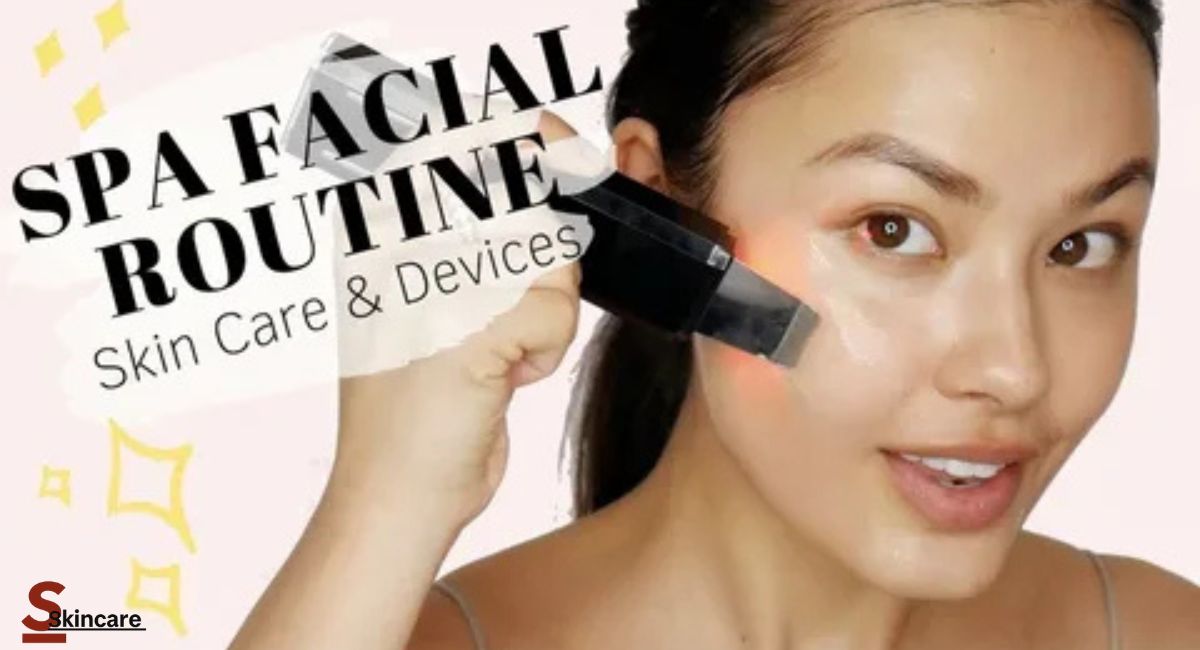
For example, an LED face mask uses LED therapy to expose the skin to specific wavelengths of light. A microcurrent facial device gently stimulates facial muscles, while a radio frequency device delivers controlled heat beneath the skin’s surface to improve firmness. Other home facial devices focus on cleansing, exfoliation, or lifting.
Common Types of Smart Skincare Devices
| Device | Primary Purpose | Best For |
| LED light therapy mask | Skin repair and acne treatment | Fine lines, acne |
| Microcurrent facial device | Muscle stimulation | Facial lifting |
| EMS facial device | Facial toning | Firmness |
| Ultrasonic skin scrubber | Deep cleansing | Oily skin |
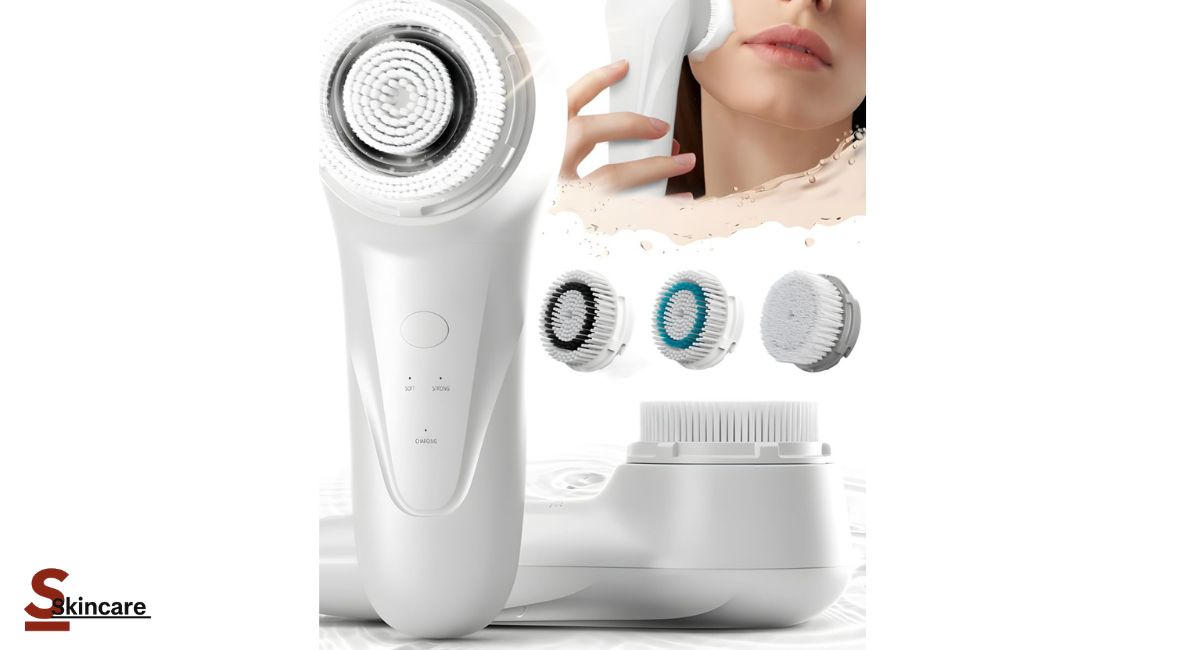
| Facial cleansing brush | Daily cleansing | All skin types |
| Radio frequency device | Skin tightening | Mature skin |
| IPL device | Hair reduction | Unwanted hair |
Who Should Use Smart Skincare Devices?
These devices are suitable for almost anyone wanting healthier skin, provided they follow manufacturer instructions. Young adults often choose devices for acne management, while mature users prefer technologies that improve firmness and elasticity. Busy professionals also appreciate treatments they can perform in less than twenty minutes at home.
People with sensitive skin should begin slowly and consult a dermatologist if they have chronic skin conditions. Although many devices are considered safe, understanding your skin type remains essential before introducing any new beauty technology into your routine.
How Smart Home Devices Skincare Tips improve your skin ,
The biggest advantage of modern skincare devices is their ability to support the skin’s natural repair process rather than simply masking problems. Technologies such as red light therapy, microcurrent, and radio frequency encourage healthier skin from within by stimulating biological functions responsible for maintaining a youthful appearance.
Research suggests that consistent treatments may increase collagen production, improve skin elasticity, and encourage collagen stimulation, helping reduce visible signs of aging over time. While results vary between individuals, many users begin noticing smoother texture and improved brightness after several weeks of regular use.
The Science Behind Better Skin
As we age, natural levels of collagen and elastin gradually decline. This process contributes to fine lines, sagging skin, and reduced firmness. Devices that encourage collagen regeneration aim to slow these visible changes by stimulating deeper skin layers without surgery or injections.
For instance, a red light therapy mask uses specific wavelengths that penetrate beneath the skin’s surface, while blue light therapy primarily targets acne-causing bacteria associated with breakouts. These treatments are considered a non-invasive treatment option because they improve skin without damaging surrounding tissue.
Technology Comparison
| Technology | How It Works | Common Benefits |
| Red Light Therapy | Stimulates collagen | Anti-aging, healing |
| Blue Light Therapy | Kills acne bacteria | Clearer skin |
| Microcurrent | Low electrical current | Facial lifting |
| Radio Frequency | Controlled heat | Firmer skin |
| Ultrasonic Technology | High-frequency vibration | Deep cleansing |
Practical Example
Imagine applying an expensive serum to dry, congested skin. Much of the product remains on the surface instead of reaching deeper layers. Now compare that with skin prepared using an ultrasonic facial cleanser or sonic cleansing device. Better facial cleansing, improved pore cleansing, and removal of clogged pores allow skincare ingredients to absorb more effectively by Smart Home Devices Skincare tips .
Similarly, someone concerned about wrinkles might combine a collagen boosting device with quality skincare products. Another user dealing with oily skin could benefit from a pore cleansing device followed by a hydrating serum. Different concerns require different technologies, but consistency remains the key to lasting improvements.
Expert Observation
The American Academy of Dermatology notes that some home devices can complement—not replace—professional treatments when supported by good skincare habits. Dermatologists frequently recommend selecting products with clinical evidence rather than relying solely on marketing claims. Devices described as dermatologist recommended or supported by published research generally provide greater confidence regarding safety and effectiveness.
Best Smart Skincare Devices in 2026
The market for smart beauty technology has expanded rapidly, giving consumers more choices than ever before. The best devices are no longer limited to luxury clinics. Many skincare gadgets now deliver impressive results from the comfort of your home by combining proven science with user-friendly designs. Choosing the right device depends on your skin concern, lifestyle, and long-term skincare goals rather than simply buying the most expensive option.
Instead of looking for one product that claims to solve every problem, focus on devices built for specific concerns. Someone targeting acne will benefit from different technology than someone hoping to reduce visible signs of ageing. Understanding these differences helps you invest wisely and build a more effective professional skincare routine at home.
Top Smart Skincare Devices Compared
| Device Type | Best For | Main Technology | Ideal User |
| LED face mask | Acne & anti-ageing | Light therapy | Most skin types |
| Microcurrent facial device | Facial toning | Low electrical current | Mild skin laxity |
| EMS facial device | Muscle stimulation | Electrical muscle stimulation | Facial definition |
| Radio frequency device | Firmer skin | Controlled heat energy | Mature skin |
| Ultrasonic skin scrubber | Deep cleansing | High-frequency vibration | Oily or combination skin |
| Facial cleansing brush | Daily cleansing | Sonic oscillation | Everyday skincare |
| IPL Hair Removal Device | Hair reduction | Intense Pulsed Light | Long-term hair removal |
Which Device Is Best for Anti-Ageing?
For users primarily concerned about ageing, a quality anti-aging device that combines light therapy or electrical stimulation often delivers the greatest value. Devices designed for skin tightening, improved firmness, and smoother texture work gradually by supporting natural skin repair instead of producing instant cosmetic changes.
Many dermatologists recommend combining a collagen boosting device with a healthy lifestyle and consistent skincare. While no home device completely replaces cosmetic procedures, regular use may noticeably soften visible ageing signs over several months when paired with sunscreen and moisturisers.
Best Options for Different Skin Concerns
Different technologies excel in different situations. People with acne often see improvements using LED light therapy that targets bacteria, while users seeking firmer facial contours may benefit from a skin tightening device or skin lifting device. Choosing based on your primary concern usually produces better results than selecting the latest trending product.
For example, someone experiencing dull skin after long working hours might benefit from a facial massage device that improves circulation. Another user with enlarged pores may achieve better results from an ultrasonic skin scrubber, which removes surface debris more effectively than manual cleansing alone.
Expert Observation
Clinical reviews published in dermatology journals suggest that many home devices produce the best outcomes when used consistently over several weeks. Experts often emphasise that realistic expectations are essential. Improvements usually appear gradually rather than overnight, especially for collagen-related treatments.

How to Choose the Right Smart Skincare Device
Buying the right skincare device starts with understanding your own skin rather than following social media trends. The best technology for your friend may not be suitable for your needs. Your age, skin type, concerns, and budget all influence which device provides the greatest long-term benefit.
Before making a purchase, identify whether your goal is acne control, facial toning, wrinkle reduction, or overall skin maintenance. Matching the technology to the problem dramatically increases your chances of seeing meaningful improvements while avoiding unnecessary spending.
Match the Device to Your Skin Goals
If your main concern is acne, choose an acne treatment device that uses blue light technology. For lifting and definition, a facial sculpting device or skin firming device may provide better support. People hoping to reduce visible ageing often benefit from combining light therapy with electrical stimulation rather than relying on one treatment alone.
Those interested in maintaining healthy skin rather than correcting major concerns may prefer simple beauty gadgets designed for cleansing and massage. These devices help support everyday skin health and fit easily into an existing skincare routine without requiring lengthy treatment sessions.
Features Worth Comparing
| Feature | Why It Matters |
| FDA clearance | Indicates safety evaluation |
| Multiple treatment modes | Greater versatility |
| Battery life | Convenient regular use |
| App connectivity | Tracks treatment progress |
| Ease of cleaning | Better hygiene |
| Warranty | Long-term reliability |
Smart Home Devices Skincare Tips for Beginners
If you’re new to beauty technology, start slowly. Use one device consistently before adding another. This approach helps you understand how your skin responds and reduces the risk of irritation from using several technologies simultaneously.
Take progress photographs every few weeks under similar lighting. Small improvements often develop gradually and can be difficult to notice day by day. Following the manufacturer’s instructions carefully also produces safer, more consistent results than increasing treatment frequency too quickly.
Common Buying Mistakes
Many buyers focus only on impressive marketing instead of scientific evidence. Look for products supported by clinical research, dermatologist recommendations, and genuine customer experiences. Devices built with advanced skincare technology generally provide greater reliability than inexpensive alternatives that make unrealistic promises.
Remember that expensive does not always mean better. A well-designed device that addresses your specific concern will usually outperform a premium product with features you never use. Smart purchasing decisions begin with understanding your skin, not chasing every new beauty trend.
Common Mistakes When Using Smart Skincare Devices
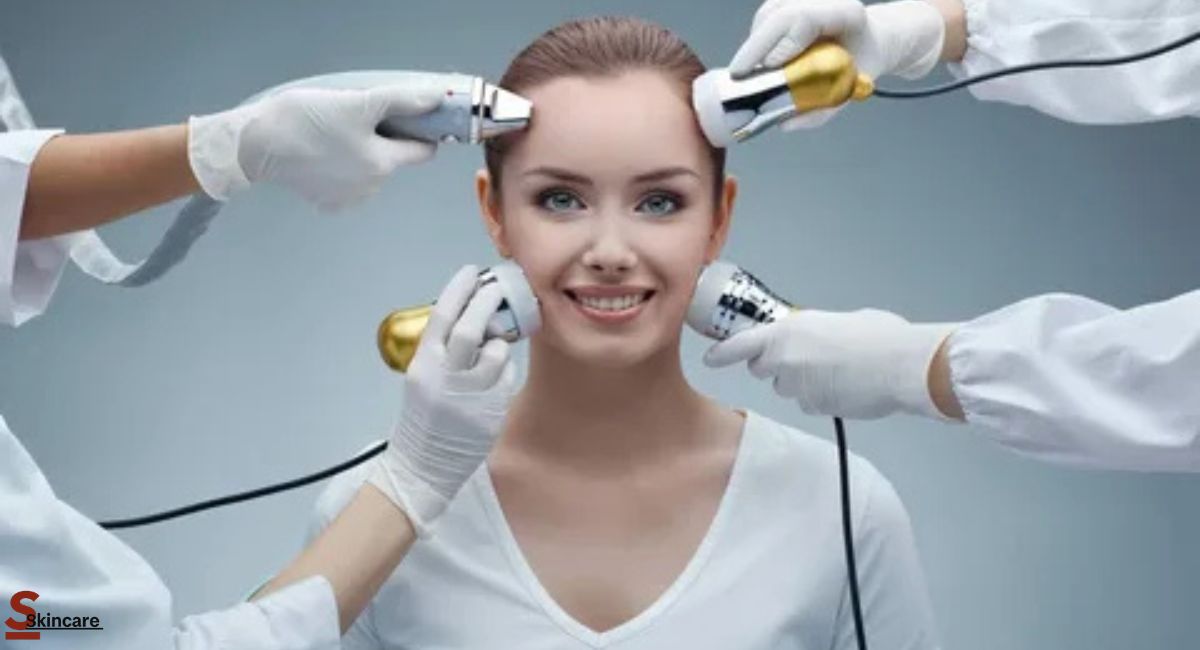
Even the most advanced skincare device cannot deliver impressive results if it is used incorrectly. Many users expect dramatic improvements after only a few sessions, while others overuse their devices hoping to speed up the process. Healthy skin responds best to consistency, proper technique, and patience rather than excessive treatments.
Another common mistake is buying multiple devices without understanding how they work together. Layering different technologies on the same day may irritate the skin instead of improving it. Following a structured treatment schedule allows the skin enough time to recover and respond positively.
Skipping Skin Preparation
A device performs best on clean skin. Dirt, makeup, sunscreen, and excess oil create a barrier that reduces treatment effectiveness. Before using any smart skincare device, wash your face thoroughly and ensure the skin is completely dry unless the manufacturer recommends using a conductive gel or serum.
Proper preparation also improves serum absorption after treatment. For example, applying a hydrating serum after a cleansing session often allows active ingredients to penetrate more effectively because the skin surface has already been purified.
Using the Wrong Skincare Products
Not every skincare product is compatible with every beauty device. Strong exfoliating acids or retinoids may increase skin sensitivity after certain treatments. Pairing devices with gentle, hydrating products usually produces better long-term results while lowering the risk of irritation.
Always read both the device instructions and product labels. Manufacturers frequently recommend specific products that complement their technology. Using appropriate skincare alongside your treatments creates a safer and more effective routine.
Common Mistakes and Better Alternatives
| Mistake | Why It Can Be Harmful | Better Approach |
| Using devices every day unnecessarily | Skin irritation | Follow recommended schedule |
| Skipping cleansing | Poor treatment performance | Clean skin before every session |
| Ignoring sunscreen | Increased UV sensitivity | Apply SPF daily |
| Expecting overnight results | Leads to disappointment | Allow several weeks for improvement |
| Mixing incompatible treatments | Skin stress | Alternate treatment days |
Ignoring Sun Protection
Many skin treatments leave the skin more sensitive to sunlight. Skipping sunscreen after using light therapy, exfoliation devices, or radio frequency treatments increases the risk of pigmentation and premature ageing. Daily broad-spectrum SPF remains one of the simplest ways to protect your investment in skincare technology.
Even cloudy days expose the skin to ultraviolet rays. Dermatologists consistently recommend making sunscreen the final step of every morning skincare routine, regardless of whether a beauty device was used.
Expert Observation
Experienced dermatologists often emphasise that consistency matters more than intensity. A fifteen-minute treatment three times each week generally produces better long-term results than several aggressive sessions performed over a single weekend. Healthy skin improves gradually through repeated stimulation and proper recovery.
Are Smart Skincare Devices Really Worth It?
Interest in smart beauty technology continues to grow because many consumers want professional-quality treatments without frequent clinic visits. While no home device produces instant cosmetic transformation, numerous studies suggest that consistent use can improve skin texture, brightness, and overall appearance when combined with realistic expectations and a healthy skincare routine.
The greatest value comes from convenience. Instead of scheduling regular appointments, users can perform treatments at home whenever it suits their lifestyle. Over time, this convenience often encourages better consistency, which plays a significant role in achieving visible improvements.
What Does the Research Say?
Research published in dermatology journals has shown encouraging results for several home-use technologies. Low-level light therapy has demonstrated benefits for acne management and collagen support, while microcurrent and radio frequency treatments have shown potential for improving facial firmness when used regularly.
Although home devices generally operate at lower energy levels than clinic equipment, this design improves safety for personal use. Results may develop more slowly, but consistent application often produces meaningful improvements over several months.
Home Devices vs Professional Treatments
| Feature | Home Devices | Professional Treatments |
| Cost | Lower long-term investment | Higher per session |
| Convenience | Use anytime at home | Requires appointments |
| Treatment Strength | Moderate | High |
| Recovery Time | Usually minimal | May require downtime |
| Best For | Regular maintenance | Intensive correction |
Who Benefits the Most?
People who commit to regular skincare usually achieve the greatest benefits. Individuals hoping to improve early signs of ageing, mild acne, uneven texture, or dull skin often notice gradual improvements after incorporating smart beauty devices into their weekly routine.
Those expecting dramatic changes after one or two sessions may feel disappointed. Like regular exercise, skincare technology works through repeated, consistent effort rather than quick fixes. Small improvements accumulate over time, leading to healthier-looking skin.
Latest Trends in Beauty Technology
The beauty industry continues to evolve rapidly. New devices increasingly combine multiple technologies into a single unit, allowing users to cleanse, tone, and treat their skin with one device. Artificial intelligence is also becoming more common, offering personalised treatment plans based on individual skin conditions.
Wearable beauty devices, app-connected skincare systems, and real-time skin tracking are expected to become even more popular in the coming years. These innovations aim to make skincare more personalised, efficient, and easier to integrate into daily life.
Expert Insight
Many dermatologists now view home beauty devices as valuable companions to professional skincare rather than replacements. Regular home treatments help maintain results achieved through in-office procedures, reduce the frequency of clinic visits, and encourage healthier long-term skincare habits.
FAQs
1. What are smart home skincare devices?
Smart home skincare devices are electronic beauty tools that use technologies like LED light therapy, microcurrent, radio frequency, or ultrasonic vibration to improve skin health and appearance from the comfort of your home.
2. Do smart home skincare devices really work?
Yes, many smart skincare devices are supported by clinical research and can improve skin texture, reduce fine lines, treat acne, and boost collagen when used consistently and according to the manufacturer’s instructions.
3. Which smart skincare device is best for beginners?
A facial cleansing brush or an LED face mask is often the best choice for beginners because they are easy to use, safe for most skin types, and address common skin concerns.
4. How often should I use smart skincare devices?
Usage depends on the device and your skin type. Most devices are recommended two to five times per week, while facial cleansing brushes may be suitable for daily use. Always follow the manufacturer’s guidelines.
Meta Discription
Discover the ultimate smart home devices skincare tips to build an effective at-home beauty routine in 2026. Learn how smart skincare devices, LED face masks, microcurrent tools, radio frequency devices, and ultrasonic facial cleansers can help improve skin texture, reduce wrinkles, fight acne, and promote a healthy, youthful glow. This comprehensive guide explains how different beauty technologies work, how to choose the right device for your skin type, and how to avoid common mistakes that reduce results. Explore expert recommendations, practical advice, comparison charts, and dermatologist-backed insights to make informed decisions. Whether you’re a beginner or a skincare enthusiast, these smart home skincare tips will help you maximize results, save money on salon treatments, and enjoy healthier, smoother, and more radiant skin from the comfort of your home.
