
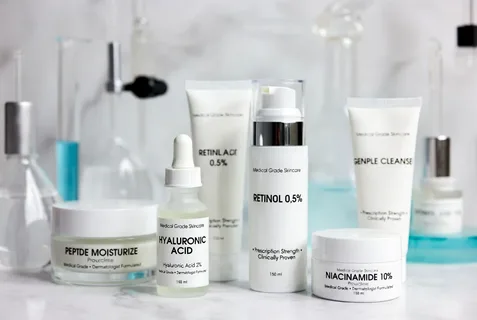
Choosing the right skincare can feel overwhelming, especially when hundreds of products promise dramatic results. Medical grade skincare brands stand out because they combine scientifically proven ingredients with advanced formulations designed to improve skin health over time. Unlike many standard cosmetics, these medical grade skincare brands are developed using clinical research and are frequently recommended by dermatologists for concerns such as acne, pigmentation, fine lines, and sun damage. Whether you’re searching for powerful medical grade skincare products, a high-performance vitamin C serum, or a complete professional skincare routine, understanding what sets medical grade skincare brands apart will help you invest in products that deliver visible, long-lasting results.

What Are Medical Grade Skincare Brands?
Curious why dermatologists consistently recommend certain products over others? The answer lies in formulation quality. Medical grade skincare brands develop products using pharmaceutical-level research, carefully selected skincare ingredients, and rigorous testing to achieve reliable, long-term results. Instead of relying on marketing claims, these brands prioritize ingredient stability, absorption, and proven clinical performance.
Many people assume medical-grade products require a prescription, but that isn’t always true. Numerous clinical skincare lines are available through dermatology clinics, licensed aestheticians, and authorised online retailers. Brands such as SkinCeuticals, Obagi, ZO Skin Health, and Alastin Skincare have earned strong reputations because they consistently invest in scientific innovation rather than temporary skincare trends.
What Makes Medical Grade Skincare Different?
The biggest difference isn’t simply stronger ingredients. Instead, medical-grade formulas are engineered to improve ingredient penetration and effectiveness. For example, a high-quality vitamin C serum can remain stable for months while protecting the skin from environmental damage. Likewise, an advanced antioxidant serum helps neutralize free radicals before they accelerate visible signs of aging.
Another important advantage involves professional guidance. Many dermatologist recommended skincare products are selected according to your individual skin condition rather than your age alone. This personalised approach allows concerns such as acne, rosacea, hyperpigmentation, and sensitive skin to receive targeted treatment instead of relying on one-size-fits-all cosmetic solutions.
Why Are Medical Grade Skincare Brands Worth Choosing?
Many skincare products create temporary improvements that disappear after a few hours. Medical-grade formulas work differently because they target the biological processes responsible for healthier skin. A carefully planned medical skincare routine supports collagen production, improves barrier function, and gradually reduces visible damage instead of simply masking imperfections.
Consistent use also produces cumulative benefits. Rather than switching between trendy products every month, dermatologists encourage following a structured dermatologist skincare routine built around compatible ingredients. This method minimizes irritation while allowing each product to perform at its full potential over time.
H2 4. How to Choose the Best Medical Grade Skincare Brands for Your Skin Type
Choosing among medical grade skincare brands becomes much easier when you first understand your skin type and primary concerns. Someone with acne requires different ingredients than a person focused on wrinkles or pigmentation. Instead of buying products because they are trending, match formulas to your skin’s actual needs. The best dermatologist recommended skincare combines clinically tested ingredients with targeted solutions that address specific conditions while protecting your skin barrier for long-term health.
Many beginners make the mistake of switching products too quickly after only a few days. However, professional formulas often need six to twelve weeks to deliver visible improvements because skin renewal takes time. Reading ingredient lists is just as important as recognizing brand names. A well-formulated clinical skincare routine with fewer products usually performs better than an overloaded routine filled with unnecessary actives that may irritate your skin.
| Skin Concern | Recommended Ingredients | Best Product Type |
| Acne | Salicylic Acid, Benzoyl Peroxide, Niacinamide | acne spot treatment, cleanser |
| Dry Skin | Ceramides, Hyaluronic Acid | hydrating cleanser, moisturizer |
| Aging | Retinol, Peptides, Vitamin C | vitamin C serum, retinol serum |
| Hyperpigmentation | Vitamin C, Tranexamic Acid | Brightening serum |
| Sensitive Skin | Ceramides, Panthenol | Barrier repair moisturizer |
H3. Expert Tips Before Investing in Medical Grade Skincare Brands
Dermatologists often recommend introducing only one new product every two weeks. This simple strategy helps identify irritation while allowing your skin to adapt gradually. Patch testing every new formula also reduces unwanted reactions. Although premium brands cost more initially, their higher concentration of active ingredients often means you use less product, making many medical grade skincare products surprisingly cost-effective over time.
H2 5. How to Build a Medical Grade Skincare Routine
A successful medical skincare routine follows a simple sequence instead of chasing dozens of products. Start with cleansing, apply treatment products, lock in hydration, and finish with sun protection every morning. Consistency matters far more than complexity. Even a four-step routine can dramatically improve skin texture when each product serves a clear purpose and complements the others.
Morning routines usually focus on protection, while evening routines emphasize repair and renewal. For example, you may begin with a facial cleanser, follow with an antioxidant serum, apply moisturizer, and finish using broad-spectrum sunscreen. At night, ingredients like retinoids or exfoliating acids support collagen renewal while your skin naturally repairs itself during sleep.
Sample Daily Routine
| Morning | Evening |
| Gentle Cleanser | Gentle Cleanser |
| Vitamin C Serum | Retinoid or Treatment Serum |
| Moisturizer | Moisturizer |
| SPF Protection | Eye Cream (Optional) |

H2 6. Frequently Asked Questions About Medical Grade Skincare Brands
Are medical grade skincare brands really better than drugstore skincare?
Many products from medical grade skincare brands contain higher concentrations of clinically studied ingredients and advanced delivery systems. However, effectiveness still depends on selecting products suitable for your skin rather than choosing the most expensive option.
How long does it take to see results?
Most dermatologists recommend waiting at least six to twelve weeks. Products supporting collagen regeneration or treating pigmentation often require even longer because skin cells need time to complete their natural renewal cycle.
Can beginners use medical grade skincare?
Yes. Beginners should introduce products slowly and avoid combining several active ingredients at once. Starting with a cleanser, moisturizer, sunscreen, and one treatment product provides a safe foundation.
Is medical grade skincare safe for sensitive skin?
Yes, provided you choose formulas designed for sensitive skin skincare. Barrier-supporting ingredients such as ceramides and panthenol help minimize irritation while strengthening the skin over time.
Do I need a dermatologist before buying these products?
Not always. Many trusted retailers sell professional skincare directly. However, consulting a dermatologist is highly recommended if you have persistent acne, rosacea, melasma, eczema, or other chronic skin concerns.
H2 7. Final Verdict: Which Medical Grade Skincare Brands Are Best?
The best medical grade skincare brands combine scientific research, clinically proven ingredients, and consistent performance rather than relying on marketing alone. Brands like SkinCeuticals, Obagi, EltaMD, Alastin Skincare, and ZO Skin Health continue to earn dermatologist trust because they invest heavily in research, formulation quality, and clinical testing. Choosing the right products ultimately depends on your skin goals, budget, and consistency.
Instead of searching for a miracle product, build a routine that supports your skin every day. Pair a quality cleanser with targeted treatments, daily hydration, and reliable sunscreen. Over time, this balanced approach delivers healthier, stronger, and brighter skin while maximizing the long-term benefits of professional skincare. Consistency, patience, and smart product selection will always outperform short-term skincare trends.
Frequently Asked Questions About Medical Grade Skincare Brands
1. What are medical grade skincare brands?
Medical grade skincare brands develop products with clinically tested ingredients at higher concentrations than most over-the-counter skincare. These formulas are often dermatologist recommended and designed to address concerns such as acne, pigmentation, aging, and sensitive skin.
2. Are medical grade skincare brands worth the higher price?
Yes. Although they cost more initially, many products contain higher-quality ingredients and advanced delivery systems that improve absorption and effectiveness. Since you often use smaller amounts, many products last longer than expected.
3. Can medical grade skincare brands help with acne?
Absolutely. Many dermatologist-approved brands offer cleansers, serums, and treatments containing salicylic acid, benzoyl peroxide, retinoids, and niacinamide to reduce breakouts while supporting the skin barrier.
4. Which medical grade skincare brand is best for anti-aging?
Several brands excel in anti-aging, including SkinCeuticals, Obagi, Alastin Skincare, ZO Skin Health, and Neocutis. They offer products formulated to improve collagen production, reduce wrinkles, and enhance skin firmness.
5. How long does it take to see results?
Most people begin noticing improvements within six to twelve weeks. Products targeting pigmentation, fine lines, or collagen regeneration may require consistent use for several months.
6. Can sensitive skin use medical grade skincare?
Yes. Many medical grade skincare brands create gentle formulations specifically for sensitive skin. Products containing ceramides, hyaluronic acid, and soothing botanical ingredients help strengthen the skin barrier while minimizing irritation.
7. Do I need a dermatologist to buy medical grade skincare?
Not always. Many reputable retailers now sell medical grade skincare online. However, consulting a dermatologist helps ensure you choose products suited to your skin type and concerns.
8. Can I combine medical grade skincare with regular skincare products?
Yes, provided the ingredients complement one another. Avoid layering multiple strong active ingredients without professional guidance, as excessive exfoliation may damage your skin barrier.
9. Which medical grade skincare products should beginners start with?
A simple routine works best:
- Gentle cleanser
- Vitamin C serum
- Moisturizer
- Broad-spectrum SPF
- Night treatment (retinol or exfoliating serum)
10. How do I know if a skincare brand is truly medical grade?
Look for brands supported by clinical research, dermatologist recommendations, published ingredient studies, and evidence-based formulations rather than marketing claims alone.
