
If you have acne-prone skin, trying a trending ingredient can feel risky. Is PDRN skincare safe for acne prone skin is a common question as PDRN gains attention for hydration, recovery, and barrier support. The answer depends on your skin type, product formula, and the other ingredients in your routine. Understanding is PDRN skincare safe for acne prone skin requires looking beyond marketing claims and considering how your skin responds. This guide explores PDRN benefits, potential concerns, and practical ways to introduce PDRN without disrupting your acne routine. You’ll also discover whether is PDRN skincare safe for acne prone skin and how it compares with proven acne-focused ingredients. What Is PDRN Skincare and How Does It Work?
Potential Benefits of PDRN for Acne-Prone Skin
When asking is pdrn skincare safe for acne prone skin?, it helps to understand that PDRN primarily supports skin recovery rather than directly treating acne. Research has explored its role in wound healing and regenerative processes, while cosmetic products commonly emphasize hydration, smoother texture, and barrier support.
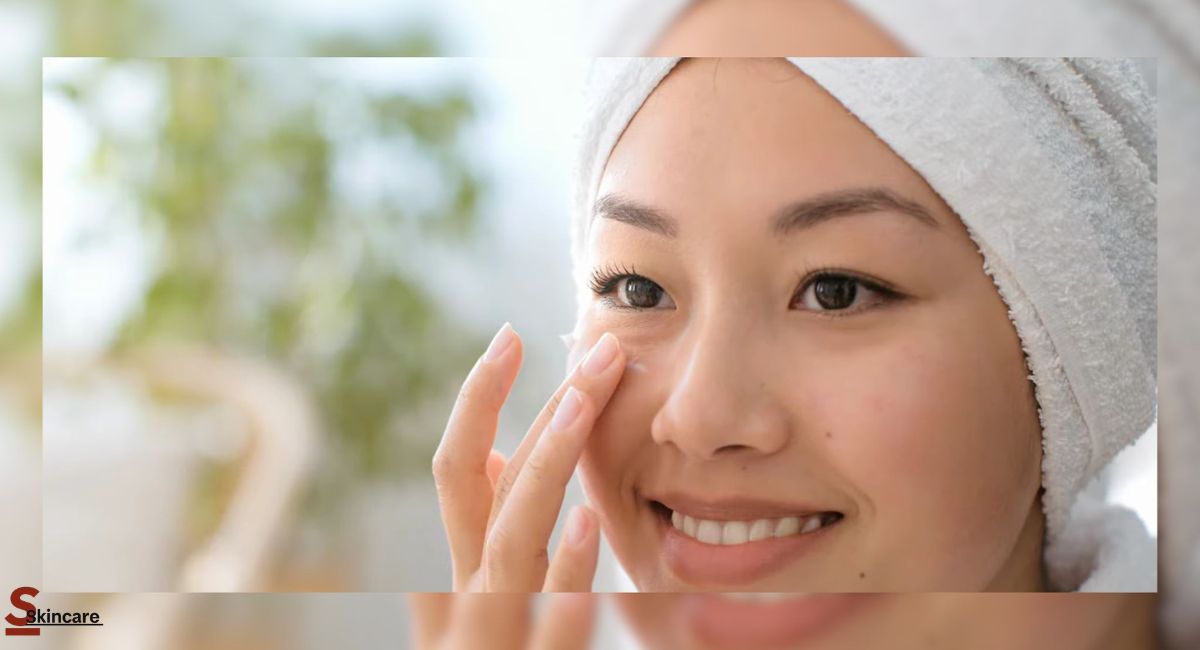
For anyone wondering is pdrn skincare safe for acne prone skin?, the skin barrier deserves particular attention. Acne treatments can cause dryness, peeling, and irritation, so supportive hydration may improve comfort. Products containing PDRN skin barrier and hydrating skincare ingredients may complement a carefully balanced acne routine.
Another important question is is pdrn skincare safe for acne prone skin? when the goal involves collagen support. PDRN research has examined fibroblast activity and collagen-related pathways, but these findings should not be interpreted as proof that topical products dramatically rebuild collagen. Delivery method and formulation can significantly influence results.
If you are asking is pdrn skincare safe for acne prone skin? because of acne marks, remember that scars and discoloration are different concerns. Depressed or raised scars require different approaches from temporary post-inflammatory hyperpigmentation. PDRN may support skin recovery, but it should not be presented as a proven cure for established acne scars.
So, is pdrn skincare safe for acne prone skin? It may be suitable for many people when the overall formulation is lightweight and well tolerated. However, PDRN should remain a supportive ingredient rather than replace established acne treatments. Controlling active breakouts is still essential because ongoing inflammation can contribute to additional marks.
Before deciding is pdrn skincare safe for acne prone skin?, examine the complete ingredient list rather than focusing only on PDRN. Fragrance, heavy occlusives, certain oils, or other ingredients may cause problems for individual users. A simple formula can be a better choice for easily congested skin.
If you still wonder is pdrn skincare safe for acne prone skin?, introduce the product gradually. Patch-test first, use a small amount, and avoid changing several skincare products simultaneously. This approach makes it easier to identify whether PDRN or another ingredient is responsible if irritation or new breakouts appear.
Ultimately, is pdrn skincare safe for acne prone skin? depends on your individual tolerance, the product’s formulation, and the condition of your skin. If you have severe acne, persistent irritation, painful cysts, or significant scarring, consider professional dermatological guidance instead of relying exclusively on cosmetic PDRN products.
How to Use PDRN Skincare on Acne-Prone Skin
The safest approach is deliberately boring: introduce PDRN slowly and keep everything else stable. Start with a small amount after cleansing, then follow with a moisturizer if needed. During the first several days, watch for unusual redness, itching, burning, or clusters of new bumps. This simple method makes it easier to determine whether your PDRN serum actually agrees with your skin.
Your routine can remain straightforward. In the morning, cleanse gently, apply your PDRN product if tolerated, moisturize, and finish with broad-spectrum sunscreen. At night, cleanse, apply your prescribed or established acne treatment, and use PDRN according to your product’s directions. Avoid changing three or four products simultaneously because you will lose the ability to identify the source of irritation.
Is PDRN Skincare Safe for Acne-Prone Skin?
Texture matters just as much as the featured ingredient. Someone with oily, congestion-prone skin may prefer a lightweight serum, while someone using drying acne medication might prefer a more moisturizing formulation. PDRN hydration can therefore be useful when paired with appropriate barrier repairing skincare, but richer does not automatically mean better.
Another overlooked mistake involves quantity. Applying a thick layer of every product rarely produces faster results. Instead, excessive layering can increase irritation and make an acne routine unnecessarily complicated. Treat PDRN as one component of your routine, not as permission to stack multiple skin rejuvenation ingredients simultaneously.
Can You Use PDRN with Acne-Fighting Ingredients?
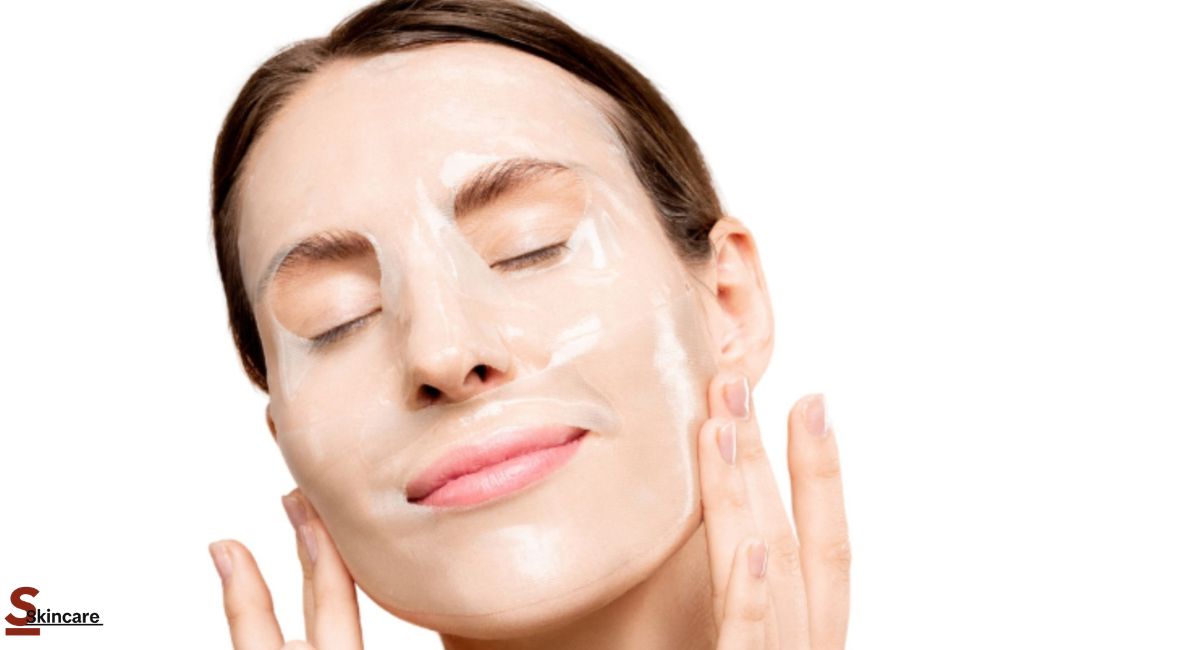
PDRN can occupy a supportive role alongside established acne ingredients, but compatibility depends on the complete routine. Salicylic acid helps unclog pores, benzoyl peroxide targets acne-causing bacteria, and topical retinoids help clear clogged pores and reduce inflammation. The AAD recommends these treatments because they have substantially stronger evidence for acne than emerging cosmetic PDRN products.
A practical combination might pair PDRN with niacinamide for hydration and barrier support, while using an acne active separately according to professional guidance. With retinoids, benzoyl peroxide, or exfoliating acids, irritation becomes the main consideration. Calming skincare ingredients may help support comfort, but they cannot guarantee that a strong acne treatment will suit every individual.
| Combination | Primary Role | Main Consideration |
| PDRN + Salicylic Acid | Supportive hydration + pore care | Avoid excessive dryness |
| PDRN + Benzoyl Peroxide | Supportive skincare + acne treatment | Monitor irritation |
| PDRN + Niacinamide | Hydration + barrier support | Usually simple to combine |
| PDRN + Retinoid | Supportive care + acne treatment | Introduce gradually |
| PDRN + AHA/BHA | Hydration + exfoliation | Higher irritation potential |
The best routine is rarely the one containing the most ingredients. For example, someone starting adapalene may benefit more from maintaining a gentle cleanser and moisturizer than adding several new products at once. The AAD advises giving an acne treatment time to work rather than repeatedly switching products, with many nonprescription treatments requiring roughly six to eight weeks of consistent use.
Who Should Avoid or Be Careful with PDRN Skincare?
People with a severely irritated or damaged barrier should prioritize stabilization before experimenting with trendy ingredients. If cleansing stings, your skin is visibly peeling, or multiple products cause burning, simplify your routine first. Once your skin feels comfortable again, you can consider reintroducing optional products individually. This approach reduces confusion and unnecessary irritation.
People with severe, painful, nodular, or cystic acne should also avoid relying on cosmetic PDRN as their primary solution. Deep acne can permanently scar, and professional treatment can reduce that risk. The AAD recommends dermatological care for severe acne and cases that do not respond adequately to standard treatment. (
Ingredient sensitivity deserves equal attention. A person may tolerate PDRN perfectly but react to fragrance, preservatives, botanical extracts, or another component in the same product. Therefore, checking the complete ingredient list provides more useful information than judging a product solely by its PDRN percentage.
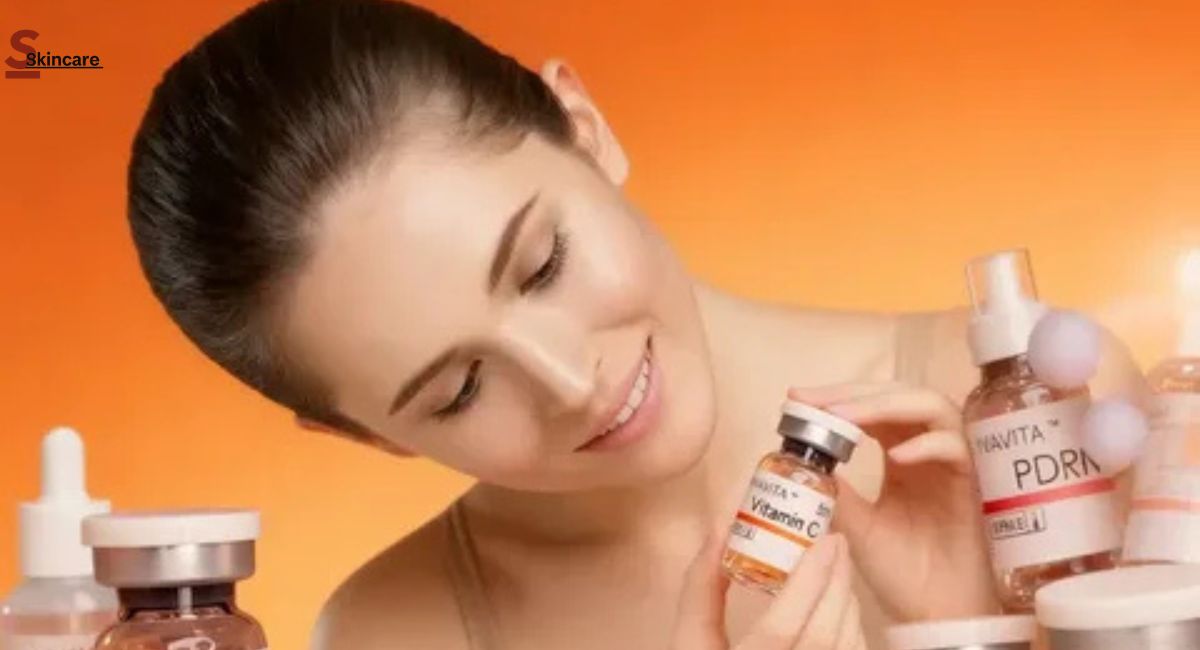
There is also a growing conversation around animal-derived ingredients. Traditional salmon-derived PDRN is not vegan, while some brands market plant-based or alternative technologies using similar terminology. Do not assume that “PDRN-inspired” means chemically identical to traditional PDRN. If sourcing matters to you, examine the manufacturer’s ingredient and production information carefully.
Frequently Asked Questions About PDRN and Acne-Prone Skin
1. Is PDRN skincare safe for acne-prone skin?
Yes, PDRN can generally fit into an acne-prone skincare routine, but the complete product formula matters. Choose lightweight, non-comedogenic products and introduce them gradually.
2. Can PDRN cause acne or breakouts?
PDRN itself is not known as a direct acne trigger. However, other ingredients in a PDRN serum or cream may cause congestion or irritation in some people.
3. Does PDRN clog pores?
PDRN itself is not considered inherently pore-clogging. However, the overall formulation can affect whether a product feels suitable for oily or acne-prone skin.
4. Can you use PDRN with acne treatments?
Yes. PDRN may be used alongside ingredients such as niacinamide, salicylic acid, or retinoids, but introducing several active products simultaneously can increase irritation.
5. Is PDRN good for acne scars?PDRN may support skin recovery and is being studied for regenerative effects, but it should not be considered a proven treatment for all acne scars. Persistent or severe scarring may require professional dermatological treatment.
